This month, Millennium made a Digital Twin available to every employee who wants one. A Digital Twin is a personalized AI assistant that works exclusively for one person, learning from their working style to support delegated tasks. It reflects the firm’s broader approach to AI, which is to give our people access to leading proprietary and commercial tools that help them do their best work.
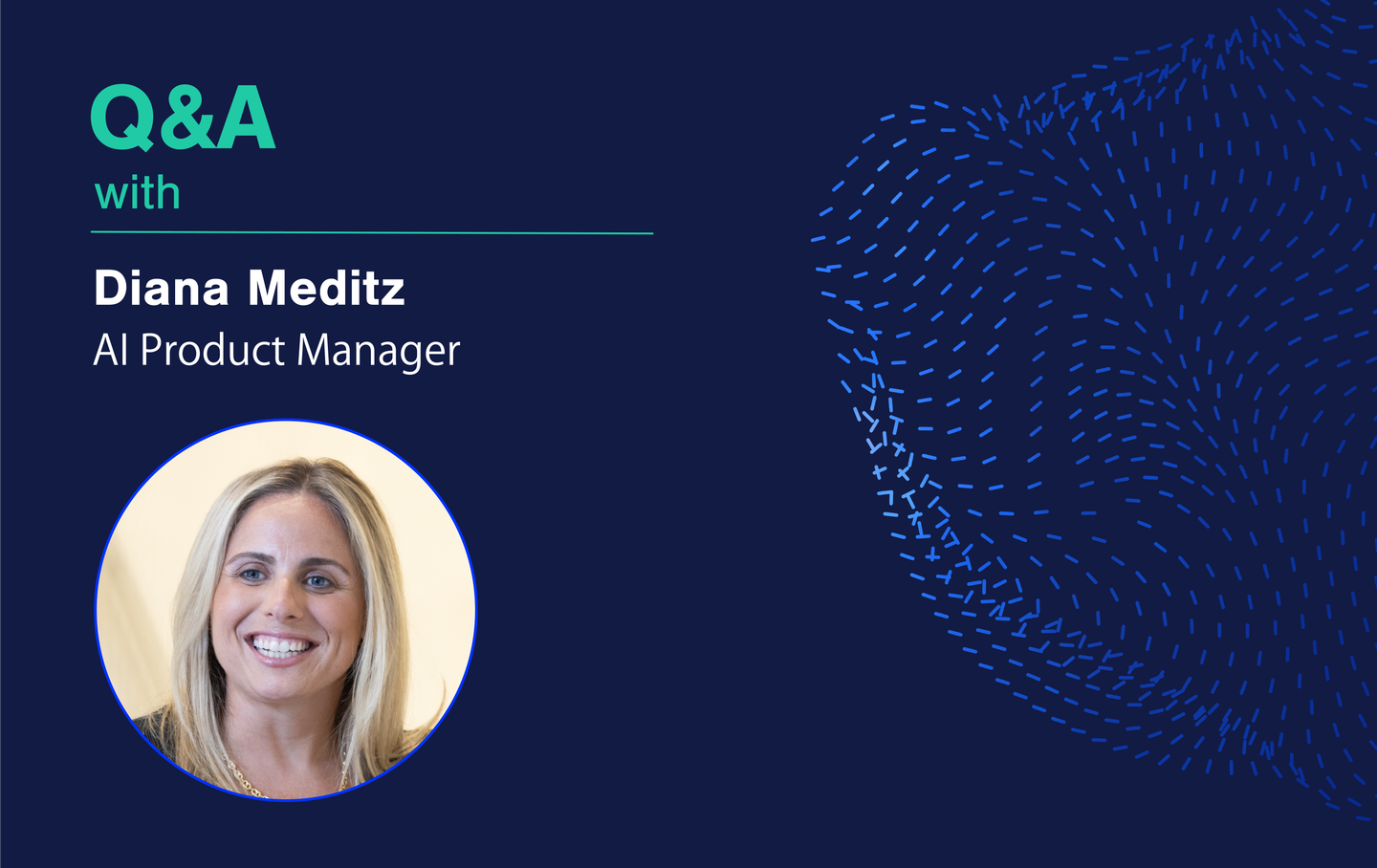
Diana Meditz, AI Product Manager, explains how the program came together and how she uses her own twin.
What is a Digital Twin?
A Digital Twin is a dedicated AI assistant assigned to an individual employee. Employees work with it over email, much as they would with a colleague, and it retains their preferences and context over time. Twins take recurring work off employees’ plates: research, tracking external developments, preparing meeting materials, managing inboxes, drafting reports, and running scheduled tasks overnight.
A twin does not impersonate the employee. It acts at their direction, with its own identity, email address, permissions and audit trail.
How did the program start?
We built the first twin for our Chief Information Officer, Vlad Torgovnik, on the view that if it worked for him, it could work for anyone. We then scaled the concept to over 150 twins across the firm, providing a feedback loop that shaped product decisions. Of this first user group, 97% interacted with their twin daily.
Today, there are more than 1,600 Digital Twins in use across the firm with adoption increasing rapidly. New employees receive access to a Digital Twin when they join. Vlad encourages all of us to innovate with AI, and the use of Digital Twins is a way to bring the power of AI to every employee directly in their email inbox.
How do you use your own twin?
Here is one example: each morning, my twin reviews overnight AI news and scans my inbox for internal updates on the initiatives I support. By 6am, I have a distilled report flagging gaps, priorities and suggested enhancements. I set it up once and it runs daily without further prompting, becoming more personalized the more I work with it.
What can a twin see and do?
We apply the same rigor to Digital Twins that the firm applies to all that we do. A twin starts with no access, employees grant access system by system and a twin can never do more than its user is entitled to.
Because every twin has its own identity and audit trail, its work is distinguishable from work performed by the employee it supports. Guardrails ensure the twin only interacts with its dedicated employee, and its memory, files and workspace live in its own dedicated environment.
What comes next and what have you learned?
We are in the process of scaling AI Teammates, with the first teammates live and in production. A Digital Twin is dedicated to one person; an AI Teammate is built for a team or business function. Similar to a twin, it has its own identity, learns the team’s working style and operates autonomously within boundaries that the team sets.
My advice to colleagues is to start simple and experiment. They know their workflows best and where AI can make an immediate difference. Their feedback continues to shape the roadmap, which is focused on deeper personalization, broader access to firm knowledge, and greater productivity.